
Written by: Samantha Bertolino

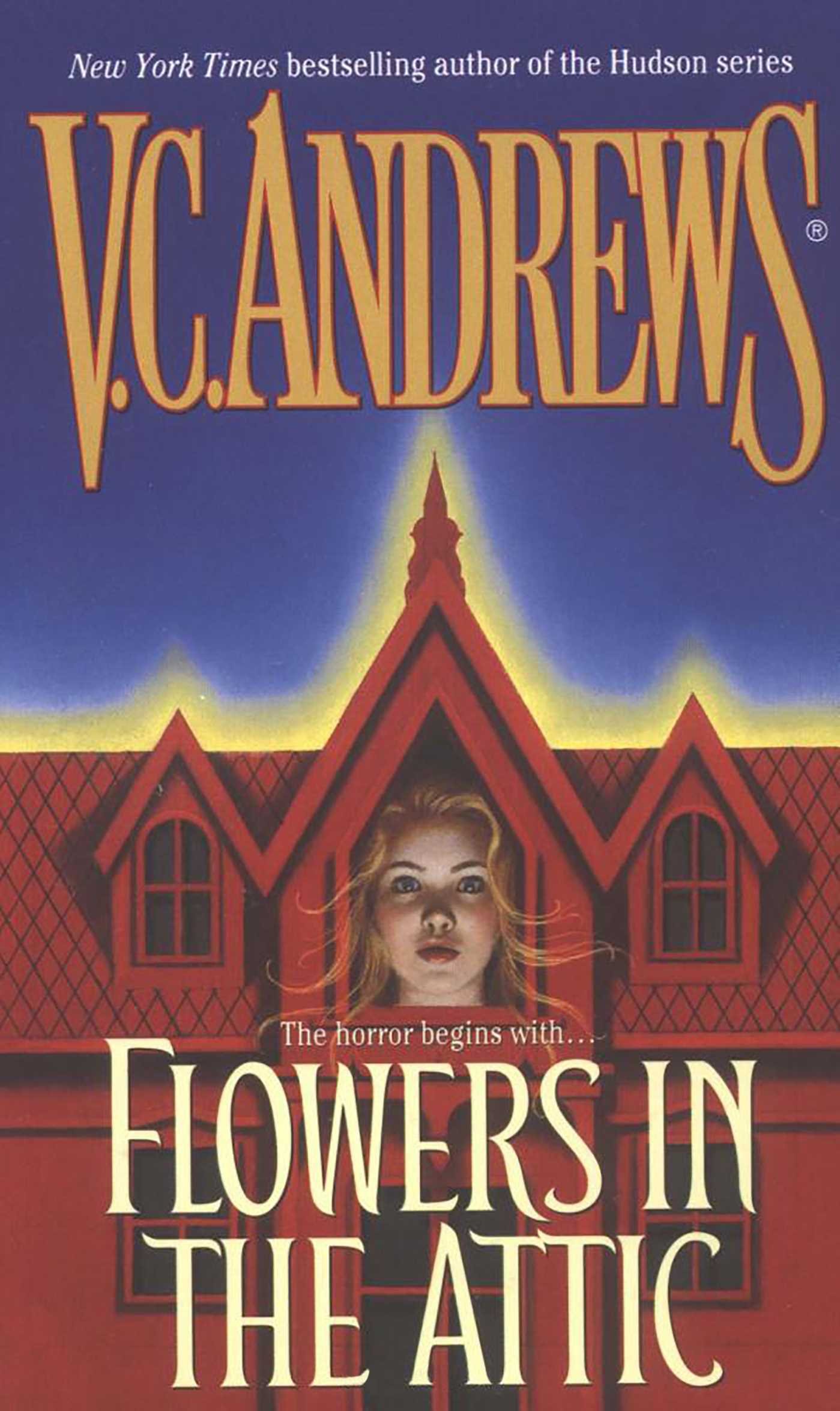
In her 1978 pitch letter, V.C. Andrews described her novel Flowers in the Attic as “basically a horror story.” For those who haven’t read, I will try not to spoil the (in?)famous plot, which has been dragged through the press for being “deranged swill.”
That swill—or rather, family dysfunction on a biblical scale—captivated audiences worldwide. The tale of incest, poisoning, and dark family secrets sold more than forty million copies. There have been two film adaptations, a stage play, as well as sequels and prequels to the original version.
The book inspired Amanda Palmer’s band the Dresden Dolls. Gillian Flynn, American Author, was influenced largely in her works by the characters Olivia and Corrine Foxworth, who have since become the true prototype for “wicked women.”
In her pitch of the novel, Andrews drew from the life story of one of her doctors (alarming, I know). While discussing the details with a literary agent, Andrews’ novel was described as “awful and fabulous.” It gapes at the terror of a family’s darkest secrets, probing the stain of poison—no pun intended—which lives in their blood.

This is unsurprising, of course, given Andrews’ “wicked sense of humor.” Neiderman—the ghostwriter carrying Andrews’ mantle—studied her style closely before picking up the pen. He looked at her syntax, of course, but also observed: “She’s intrigued by why people who are supposed to love each other hurt each other so much. When you get into all the motivations, the emotions, the jealousies, the problems between mothers and daughters, fathers and sons… Whenever there’s family, there’s going to be tension. To be able to see it, visualize it, understand it, is part of what makes [her work] so powerful.”
Perhaps this is what makes her “deranged swill” so appealing. There’s a sense of absurdity, a certain quality to the book(s) that piques the interest right away.
Neiderman put it this way: “Imagine going into a movie studio and you say to the producers, ‘I’ve got a movie here about a mother who locks her children in the attic for three years and three months.’” And then, ‘Oh yeah, there’s rape, murder and incest too!’ No one would call this a charming tale, but it’s certainly worth a read.

You must be logged in to post a comment.