
Written by: Ally LeMaster
I’m sick and tired of reading Shakespeare.
I said it.
More often than not, when I say I like to read plays, most people think I’m talking about my love of the classics. Every once in a while, I get asked about my feelings on Ibsen or Checkhov or (if you’re really in the know) Euripides. While it is very important to have an appreciation of the classics, we are missing out on what is happening now: the plays which act as a direct commentary on modern American society.
There are nuances in recent adaptations of Twelfth Night and Hamlet performed by playhouses like The Royal Shakespeare Company and Shakespeare in the Park. And yes, classic plays have a certain universality that can be applied to the twenty-first century, like the production of Antigone based around the killing of Micheal Brown by a police officer in Ferguson, Missouri. Although I don’t think we should gloss over the importance of classical adaptations, it is time to look at newer works.
I’ve compiled a list of modern(ish) plays that should be taught alongside the classics:
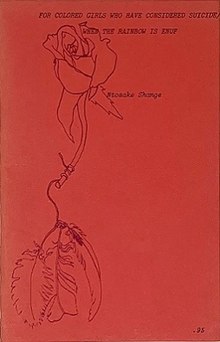
for colored girls who have considered suicide / when the rainbow is enuf by Ntozake Shange
This play follows seven different women recounting their stories of love, abuse, betrayal, racism, and sexism. Every lady has their own story to tell while they dance alongside the music on stage. The lines of this play read as a poem ripped directly from the pages of someone’s intimate diary entry, veering into topics most playwrights are too scared to touch.

Buried Child by Sam Shepard
Even though it first debuted in the late 1970s, Shepard’s play about the disruption of the nuclear family is one that continues to resonate with the American public. Buried Child takes place in a middle-class Midwestern home, where the further you peel back the curtains, the more the image of the “perfect” family slips away. While more avant-garde, this play deals with chaos brought onto a family who has to take their secrets to the grave.
100 Plays for the First Hundred Days by Suzan-Lori Parks
As an act of protest, Parks wrote a play a day for the first one hundred days Trump was in office. Each play is roughly one page long and captures the fear and frustration of Trump’s election as the president of the United States. In these collection of plays, Parks examines the American political climate with a unique and cathartic perspective.
Plays are a super accessible way to reflect on modern society. I believe most people are turned-off by classic plays due their long and seemingly intangible frame of reference. We need to read more contemporary plays and re-examine the importance of theater as a medium to protest the problems of current American political issues.

You must be logged in to post a comment.