
Written by: Jenna Ulizio
I have a confession to make: I was a teenage YouTuber. In my latter high school years, in the post-lockdown haze of life, a friend and I launched a film and media channel. I snuck in some videos about books, of course.
Every week, we’d watch and discuss a new movie for our podcast. We’d also share the responsibility of making a solo video to go up on weekends. But these were smaller chunks of our larger ambition: an original, ten-episode audio drama series.
What is an audio drama? Think of your favorite audiobook. Now, imagine it gets adapted into a TV show, but it doesn’t get filmed, just recorded. Audio dramas are scripted series with voice casts, sound design, original music scores, and can be epic in length, all carried by sound alone. Our show had a grand scope, a full cast, magical creatures, and a small-town setting — all things that would have been impossible to wrangle and source on our own.
A major draw to creating audio fiction is a fairly low barrier to entry. Even the most elaborate speculative fiction ideas can be created effectively at a lower cost than a big budget film. For example, a science fiction space epic would cost tens of millions of dollars to create for the screen. There’s a still price to create audio fiction, of course, as writers, actors, directors, and sound designers need to be paid, your show needs advertising, and if you want music, that’s also more. Yet, there’s no need for CGI, make-up, props, sets — the list goes on. You can believe you’re in space with a few well-placed sound effects, a smart script, and a committed actor.
But that’s such a pragmatic way of looking at (or should I say, hearing) things. I love audio dramas for the unique experience and the amazing storytelling on display. There are so many different shows, and they all have different genres and formats. Among my favorites, you have the classic The Magnus Archives, a work-place cosmic horror slow burn; The Strange Case of Starship Iris, a mystery and revolution in space; and The Penumbra Podcast, which splits it’s time between a medieval inspired fantasy world and a noir mystery on Mars.


Caption: Some of my personal favorite shows, from left to right. The Magnus Archives, The Strange Case of Starship Iris, and The Penumbra Podcast.
One of my favorite aspects of audio dramas are the framing devices for each narrative. Some do not have one, instead feeling like something overheard or like an audiobook. However, many shows get very creative with the idea that this is a story being recorded and then listened to. For example, in The Magnus Archives this narrative device takes the shape of in-universe tape recorders. These tape recorders take on a greater role in the plot, even becoming their own type of character that strike dread in the hearts of listeners. Starship Iris is seemingly clips of surveillance footage, but it’s only later on in the show that the audience learns who is actually viewing that data. It is always delightful when a show goes above and beyond, engaging with its own medium and the idea of being observed.
I have yet to find a show I have not enjoyed. Many audio dramas are independently produced, and some go on for many seasons. Due to the usually small production team, there have been some shows I followed for years, listening as the production quality grew and the story unfolded. My personal favorite has to be The Penumbra Podcast. I first found it during the pandemic, and I listened to it through my early years of college. Each season presents a creative new plot and has a poignant story of healing and personal growth that profoundly moved me.
Even though my days of audio drama making are over for now, it was an exciting creative experience. When writing, I had to keep front of mind the fact that I was writing for an audio-only experience. It could be freeing to know I could drop whatever mayhem I wanted into the story, but I also had to be hyperaware of what clues the audience would need. If a character was walking into a new room, there had to be footsteps, a door noise, or some sort of dialogue cue. I loved getting to exchange ideas with the director, and as I heard some of the cast, it helped shape characters’ voices. Even if my show is, perhaps rightfully, relegated to an abandoned corner of the internet, it was a beautiful experience of collaboration and creativity to bring that world to life.
Have I convinced you to try something new? There’s so many audio dramas still on my list. I know that I can slide my headphones on and be transported somewhere new. It’s a unique form of storytelling that always manages to surprise and delight me.
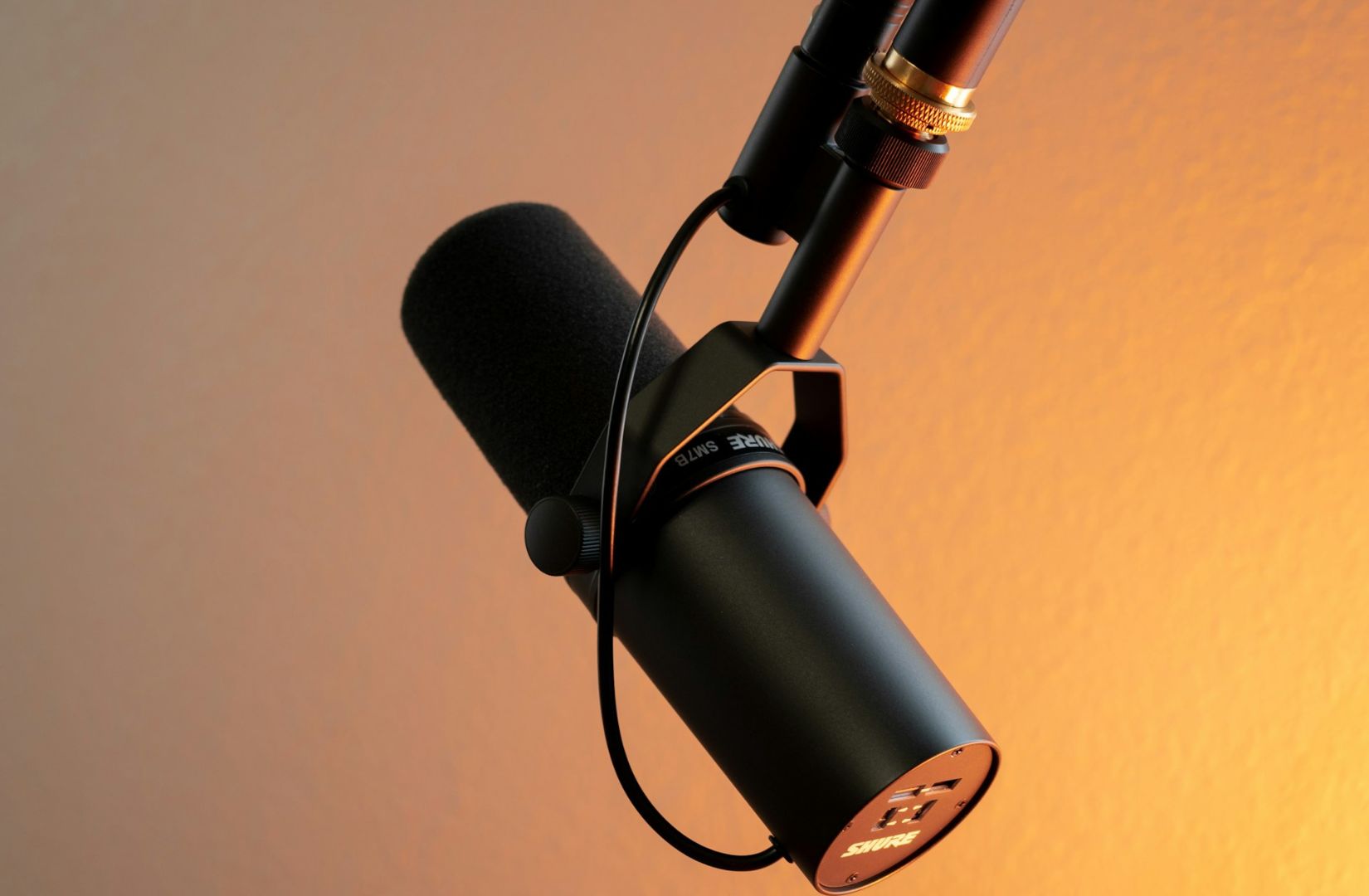
Featured Image Caption: You’ve heard of podcasts, you’ve heard of audiobooks, but have you heard the best of both worlds?

You must be logged in to post a comment.